
Lecture time
November 12 (Thursday) 10:00-12:00Lecture location
Conference Room 321, Building 1, Jinfeng Laboratory
Topic one: HiMAP-seq New Technology and Its Application in Drug Discovery
Introduction to the speaker
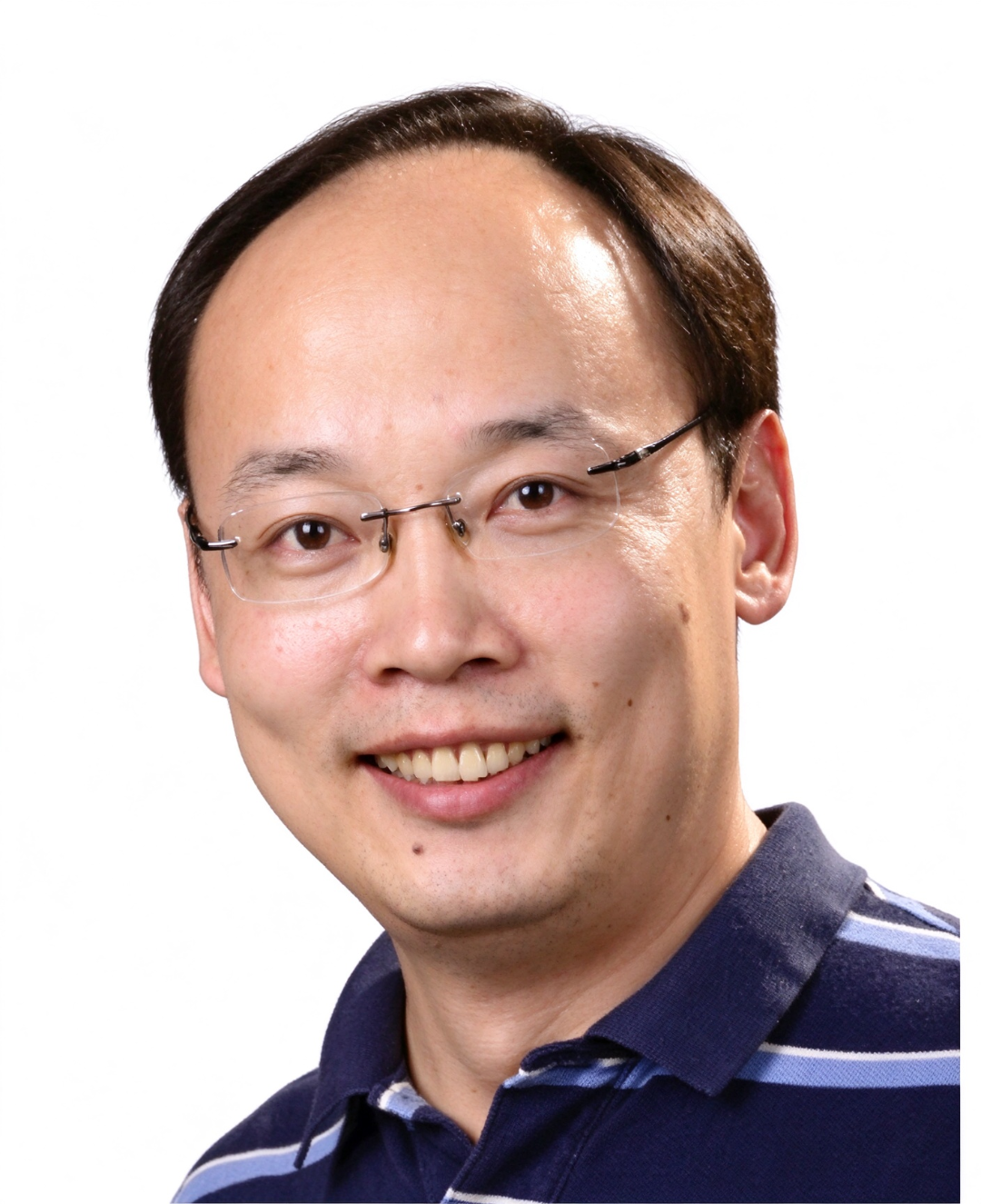
Wang Dong , Researcher, doctoral supervisor, second-level professor, chair professor of Chengdu University of Traditional Chinese Medicine, and academic vice dean of the School of Basic Medicine. Chief scientist of the National Key R&D Program Project and scholar of the “Thousand Talents Plan” for high-level introduction of talents in Sichuan Province. Long-term focus on molecular oncology of traditional Chinese medicine, mainly focusing on the molecular mechanisms of tumor metastasis and deterioration and drug intervention. Relevant research work has been published as the corresponding author or first author in internationally renowned journals such as Nature, Nature Methods, Nature Structure & Molecular Biology, Science Advances, and Cell Research. Two of them have been selected into the top 1% of the world's most highly cited papers.
Lecture Introduction
Drug target discovery is undergoing a paradigm shift from traditional phenotypic screening to high-throughput technology empowerment. This lecture will combine research cases to introduce the HiMAP-seq (highly multiplexed parallel sequencing) technology developed by the team: this technology relies on a unique sample mixing scheme to achieve parallel detection of transcriptomes of thousands of samples in a single reaction, and its throughput, timeliness and cost are superior to traditional methods. He also shared his practice in target identification and mechanism analysis of compounds derived from traditional Chinese medicine, and also explained the value of the 10,000-level compound CIGS database built based on this technology to provide massive data support for AI-driven new drug research and development.
Topic 2: New mechanism of ligand and receptor regulation of WNT signaling and its role in diseases
Introduction to the speaker
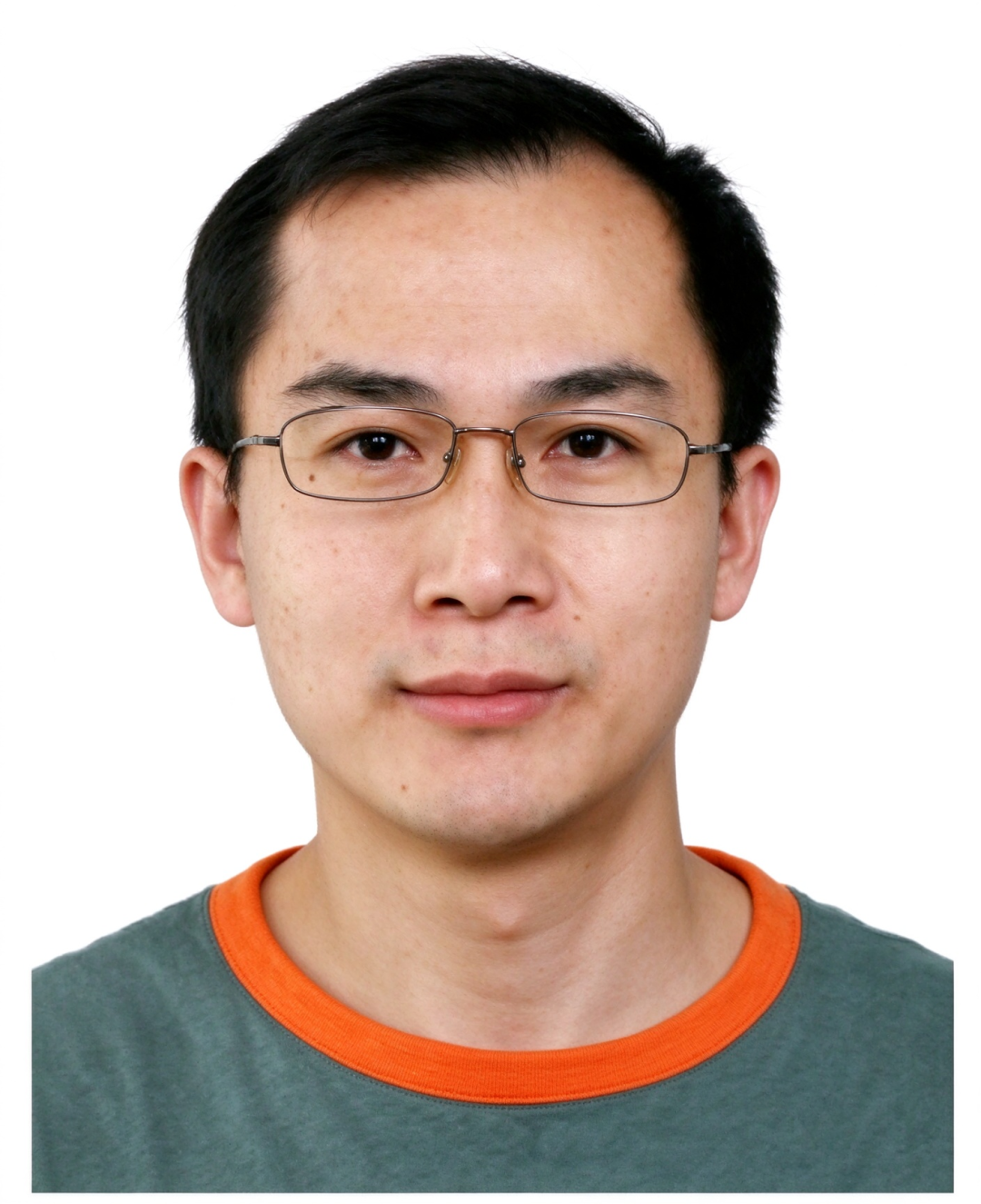
Zhang Xinjun , Professor, doctoral supervisor, professor at the School of Medicine at the University of Electronic Science and Technology of China and the Genetic Center of Sichuan Academy of Medical Sciences and Sichuan Provincial People's Hospital. National-level young talent, leading talent in Sichuan Province. Mainly engaged in research on the regulatory mechanism of Wnt signaling pathway and intracellular vesicle transport, committed to revealing new mechanisms of cell signal regulation and its role in development, disease occurrence and translational medicine. Relevant research has been published in academic journals such as Cell, Developmental Cell, Autophagy, EMBO Reports, eLife, Science Signaling, Communications Biology, etc. as the first author or corresponding author.
Lecture Introduction
The Wnt signaling pathway plays a key role in embryonic development, tissue homeostasis maintenance, and damage repair. Abnormal regulation of the pathway is closely related to tumors, degenerative diseases, and damaging inflammation. This lecture will focus on the regulatory mechanism of Wnt signaling ligands and receptors and introduce the team's two research progress: First, the Wnt ligand processing and inactivation mechanism mediated by TIKI family proteases, explaining that TIKI2 participates in the process of diseases such as osteoarthritis and acute kidney injury by regulating Wnt/β-catenin and Wnt5a-ROR signaling. ; The second is the Wnt-induced endocytosis and lysosomal degradation mechanism of Frizzled receptors, revealing the feedback regulation and signal termination mode at the receptor level. He also shared multi-level research from ligand activity regulation, receptor dynamic remodeling to disease phenotypes, explored the underlying rules of Wnt signal homeostasis regulation, and looked forward to its translational potential in related disease intervention.
Everyone is welcome to actively participate!

Number
023-68059937
Email:Jinfeng@jflab.ac.cn
Address:
No.313, Bella Road Chongqing High-tech Zone
Postal code: 401329

 渝公网安备50009802002274