
Lecture time
November 5 (Thursday) 14:30-17:30Lecture location
Conference Room 302, Building 1, Jinfeng Laboratory
Topic one: Concerted Modulation For Re-establishing Immuno- and Redox-balance In Autoimmune and Inflammatory Diseases
Introduction to the speaker
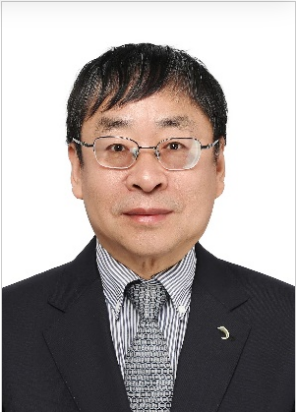
Zhao Qinjian, National-level talents, Chongqing outstanding scientists, and Chongqing academic and technological leaders. Served as a member of several WHO vaccine-related expert groups including the WHO Strategic Advisory Group on Immunization ; He is currently the founding director of the Chongqing University Engineering Research Center for Immunological Products and Biomimetic Drugs, a distinguished professor at the School of Pharmacy of Chongqing Medical University, a distinguished researcher at the Chongqing Institute of Information and Smart Medicine, a member of the Chinese Medical Association, a member of the Special Committee on Biopharmaceuticals and Quality Research of the Chinese Pharmaceutical Association, and a technical expert on major biomedicine projects in Chongqing. Hosted 1 major national 863 project during the 12th Five-Year Plan, 4 National Natural Science Foundation general projects, 1 national foreign expert project, and participated in 1 national key natural science project as a core backbone ; He serves on the editorial board of npj Vaccine, Human Vaccines & Immunotherapeutics and other vaccine journals.
Lecture Introduction
This lecture focused on research directions such as structural modification of natural active ingredients, metal immunology (such as aluminum adjuvant-mediated Th2 immune activation, manganese as a key cofactor of SOD2), NRF2 antioxidant pathway and inflammatory signal regulation, immune-related disease models, etc., and discussed how to improve the pharmacological activity of candidate compounds through coordinated regulation of multiple targets. We will combine multi-omics data to carry out new molecular modular design, and look forward to the application prospects of this strategy in autoimmune diseases such as psoriasis and multiple sclerosis, inflammatory diseases such as nephritis and renal fibrosis, as well as metabolic disease intervention and innovative drug development. It will provide new ideas for the optimization of the druggability of natural products, new strategies for immune regulation and anti-inflammatory and anti-fibrosis research, and assist Jinfeng Laboratory's drug research and development and academic exchanges and cooperation in interdisciplinary fields.
Topic 2: Metabolic regulation of tumor progression and intervention strategies
Introduction to the speaker
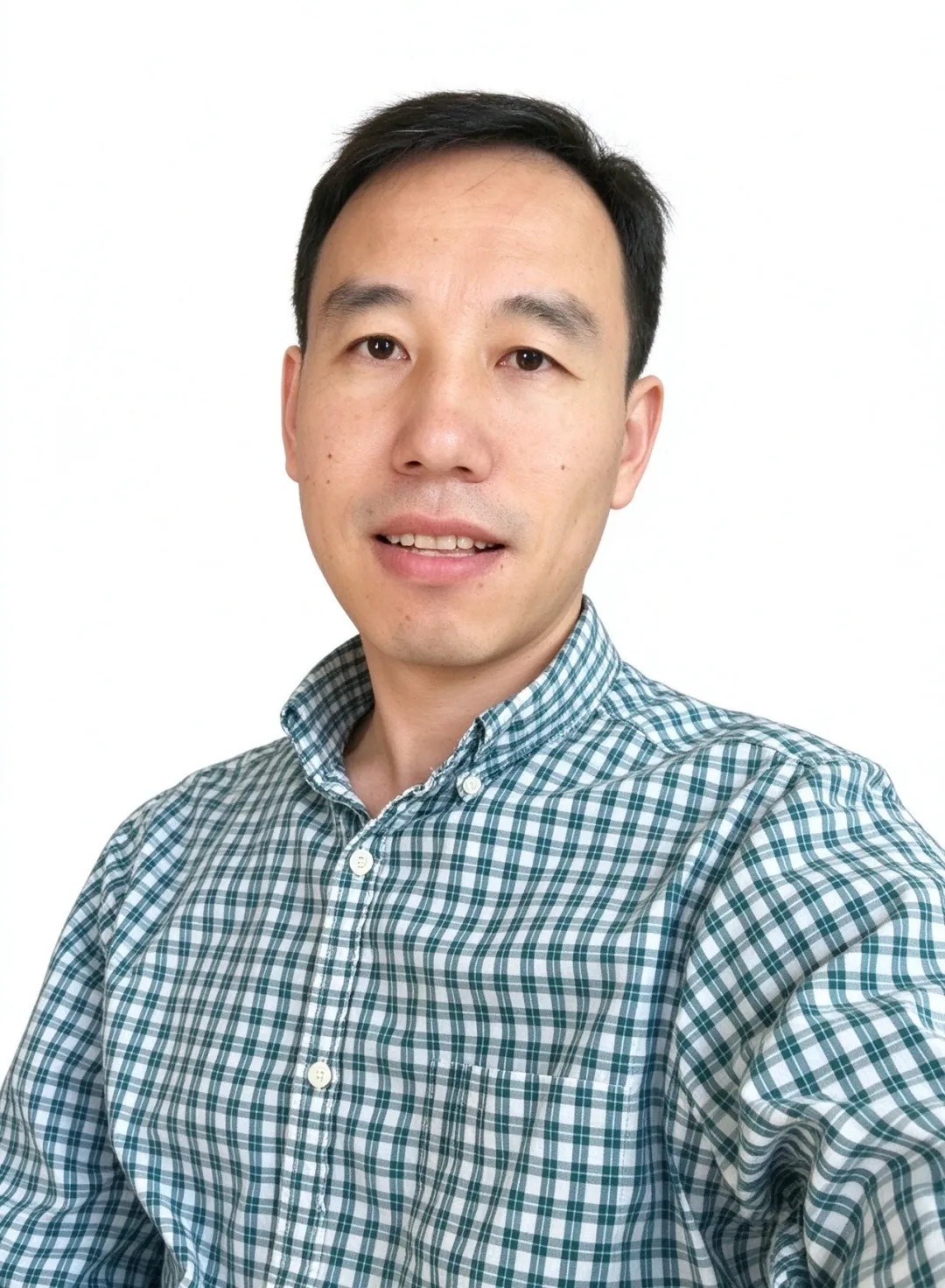
Bu Pengcheng, Institute of Biophysics, Chinese Academy of Sciences, second-level researcher, doctoral supervisor. Chief scientist of the National Key R&D Program, Leading Talents of the Ten Thousand Talents Program, Young and Middle-aged Innovation Leading Talents of the Ministry of Science and Technology, National Youth Thousand Talents Program, and Chinese Academy of Sciences Hundred Talents Program. He successively engaged in postdoctoral research at the University of California, Berkeley, Cornell University and Duke University. Mainly engaged in research on stem cells and tumor metabolism. He has presided over projects such as the National Key R&D Plan, the Four Major Chronic Disease Special Projects, the National Fund Committee’s Key Projects, the National Fund Committee’s Key Special Projects, and the Chinese Academy of Sciences’ Strategic Priority B Special Project. In recent years, he has published many research papers as the corresponding author (including co-authors) in Cell Metabolism (4 articles), Cell Stem Cell, Developmental Cell, JCI, Trends in Cell Biology and other magazines.
Lecture Introduction
This lecture will focus on the metabolic reprogramming mechanism and targeted intervention strategies in the progression of colorectal cancer. Professor Bu will systematically introduce the team’s latest progress in creatine metabolism promoting tumor metastasis, fructose metabolism driving the growth of liver metastases, and regulating the immune microenvironment. He will also discuss the development prospects of small molecule inhibitors and nano-delivery intervention strategies based on metabolic targets. The report will start from the study of metabolic mechanisms and extend to the exploration of disease intervention, providing new ideas for tumor metabolism research and translational medicine.
Topic three: The mechanisms of occurrence and evolution of colorectal cancer and its targeted intervention
Introduction to the speaker
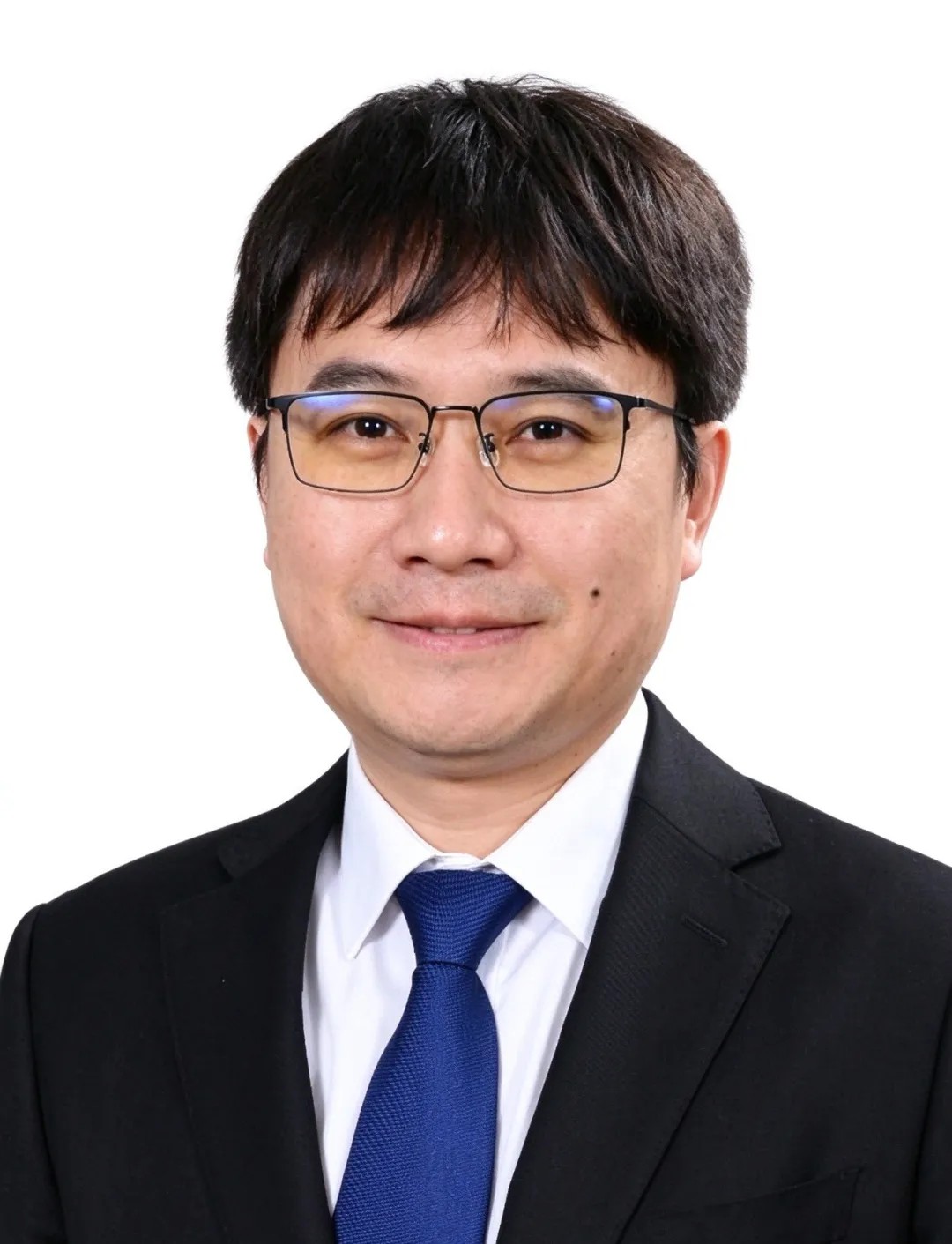
Wu Hua, Professor, doctoral supervisor, and Zhongying Young Scholar of Suzhou University. He is currently a standing member of the Tumor Metastasis Professional Committee of the Chinese Anti-Cancer Association, a standing member of the Organoids and Organ Chip Professional Committee of the Chinese Anti-Cancer Association, a member of the Scientific Research Working Committee of the Pathology Branch of the Chinese Medical Association, a member of the Pathology Branch of the Jiangsu Provincial Medical Association, a standing member of the Molecular and Digital Pathology Professional Committee of the Jiangsu Provincial Research Hospital Association, and a member of the Pathology Committee of the China Medical Equipment Artificial Intelligence Alliance. Mainly dedicated to the study of the molecular pathological mechanisms of the occurrence and evolution of digestive tract tumors. Research results have been published in internationally renowned academic journals such as Nature Cancer, Nature Metabolism, PNAS, Cancer Research, etc. as independent corresponding or last corresponding author, and 3 authorized invention patents (first inventor). He has presided over more than ten national, provincial and ministerial level projects such as National Outstanding Youth and Jiangsu Province Outstanding Youth.
Lecture Introduction
This lecture will focus on the metabolic-epigenetic regulatory mechanisms in the immune microenvironment of colorectal cancer. Professor Wu Hua will systematically introduce the team’s latest discovery of the complete signaling axis of intestinal epithelial GSK3β—H1FX degradation—glycolysis—lactic acid accumulation—fumaric acid accumulation—KDM2B inhibition—H3K36me2 elevation—T3 neutrophil polarization. This article focuses on elucidating the molecular basis of T3 neutrophils acquiring ferroptosis resistance and immune evasion capabilities through FTH1 and PD-L1, and introduces the intervention strategy of GSK3β inhibitor Tideglusib combined with immune checkpoint blockade to reverse immune suppression and enhance anti-tumor effects in preclinical models. The report will start from the molecular mechanism and extend to the translational prospects of combined immunotherapy for colorectal cancer.
Everyone is welcome to actively participate!


Number
023-68059937
Email:Jinfeng@jflab.ac.cn
Address:
No.313, Bella Road Chongqing High-tech Zone
Postal code: 401329

 渝公网安备50009802002274