
Lecture time
November 5 (Thursday) 14:00-16:00Lecture location
Conference Room 314, Building 1, Jinfeng Laboratory
Topic one: Physiotherapy ultrasound activates antineoplastic prodrugs
Introduction to the speaker
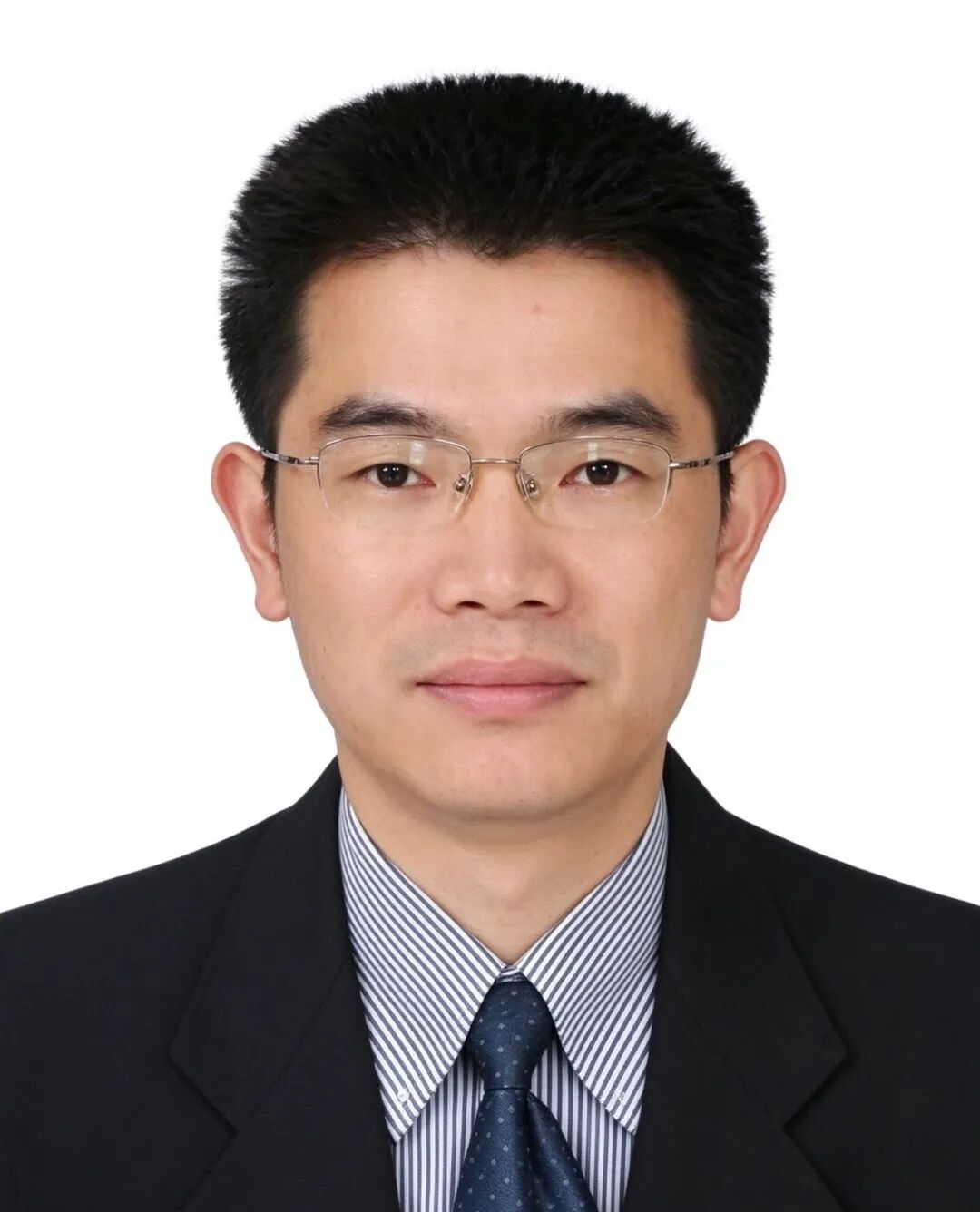
Tang Zhaohui, Researcher at the Changchun Institute of Applied Chemistry, Chinese Academy of Sciences, doctoral supervisor, winner of the National Outstanding Youth Fund, member of the key expert group of the "14th Five-Year Plan" national key R&D plan "High-end Functions and Intelligent Materials". He has long been committed to the research of biomedical polymer materials, especially in the fields of polymer carrier anti-tumor nanomedicines, tumor-targeted drug delivery systems, and vascular blocker nanomedicines.
Lecture Introduction
This lecture focuses on the research on anti-tumor prodrugs activated by physiotherapy ultrasound. In view of the pain points of traditional chemotherapy, such as high systemic toxicity and side effects and difficulty in tumor-targeted controlled release, Tang Zhaohui's team built a new ultrasound-responsive prodrug delivery system. Taking advantage of the tissue penetration advantages of physiotherapy ultrasound, the sound-sensitive unit activates the prodrug in situ in the tumor and releases the active drug to achieve spatiotemporally controllable selective tumor inhibition. The report focuses on the design, acoustic activation mechanism and in vivo efficacy of the quadrivalent platinum-based ultrasound-responsive prodrug platform, analyzes the characteristics of this non-invasive strategy in optimizing the treatment window, reducing toxicity and increasing efficacy, and discusses the opportunities and challenges of its clinical translation.
Topic 2: Exploration of life information regulation and clinical transformation based on nano-selenium
Introduction to the speaker
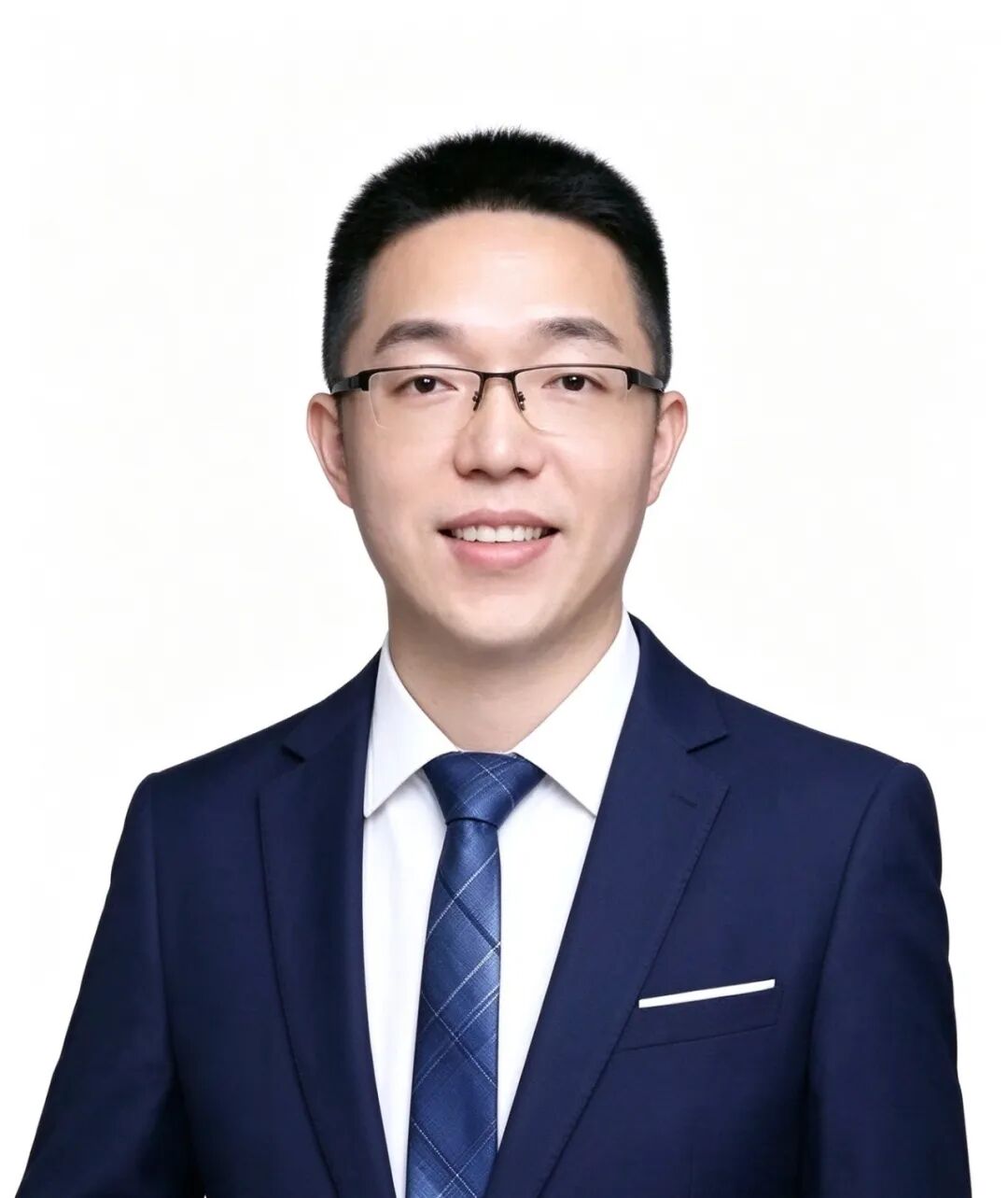
Chen Cufeng, Professor and doctoral supervisor at Jinan University, currently executive director of Jinan University Nano-Intelligent Manufacturing Research Institute. Winner of the National Science Fund for Distinguished Young Scholars, a leading scientific and technological innovation talent in the National “Ten Thousand Talents Plan”, and a young scientist in the National “863 Plan”. He has long been committed to research on the application of selenium nanomedicine and precise diagnosis and treatment of diseases, and has made important contributions in precise control of nanomedicine structures, breakthroughs in large-scale preparation technology, and clinical transformation of medical-engineering integration.
Lecture Introduction
This lecture focused on the exploration of life information regulation and clinical transformation based on nano-selenium. Selenium is an essential trace element for the human body. The team explained the mechanism of nano-selenium in regulating redox and immune signals, reshaping cell signals, overcoming radiotherapy resistance, and relieving immune suppression. It broke through the bottleneck of scale-up preparation technology and established a GMP large-scale production system. The report introduces the functional design of nano-selenium and the advantages of disease diagnosis and treatment, sorts out the "basic research-process development-multi-center clinical" transformation chain, and discusses the opportunities and challenges of nano-selenium drugs' safety, efficacy, and industrial transformation.
Topic three: From genes to isoforms: single-cell and spatial full-length transcriptomes for medical research
Introduction to the speaker
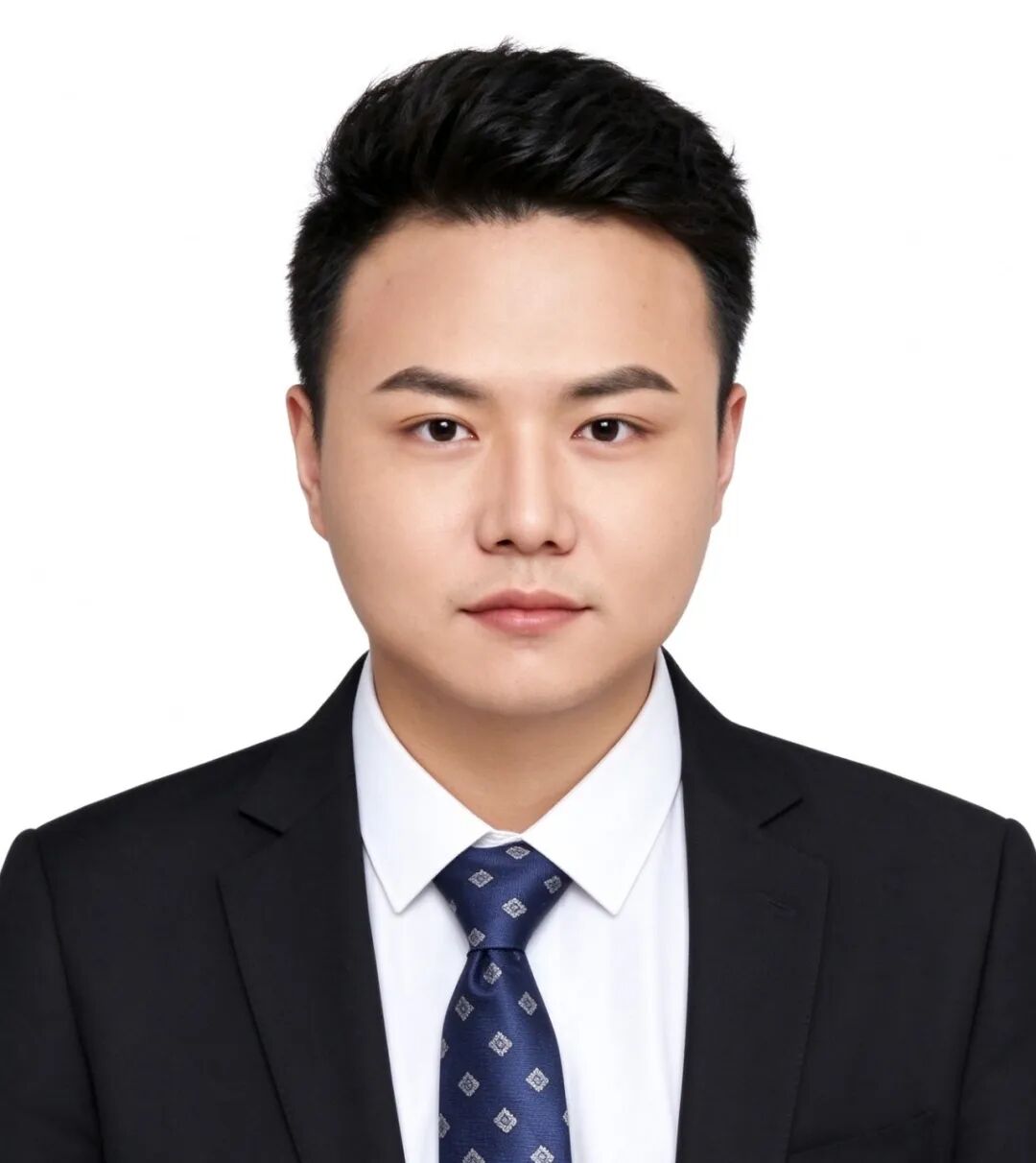
Huang Hao, With many years of experience in single cell and spatial omics technology transformation, Incumbent Product Director of Benetogene's Single Cell Division. He has been deeply involved in the transformation and application of single cell and spatial omics technologies for many years, focusing on promoting the implementation of cutting-edge sequencing technology in medical research. As a core member of the first technical team in China to combine 10x Genomics single-cell technology with Nanopore long-read sequencing, he led the team to successfully apply single-cell full-length transcriptome sequencing technology to cutting-edge fields such as tumor heterogeneity analysis and neural cell subtype typing, helping many top scientific research institutions to complete the construction of full-process solutions from sample preparation to data analysis.
Lecture Introduction
This lecture focuses on single-cell and spatial full-length transcriptome sequencing technologies. This technology combines 10x, BGI C4, Stereo-seq capture systems and Nanopore long-read sequencing to break through the limitations of second-generation short-read sequencing and achieve complete analysis of full-length transcript isoforms, alternative splicing and fusion genes in single cells and spatial scales. Compared with second-generation sequencing, full-length sequencing has been upgraded from gene expression quantification to transcript structure analysis, providing core molecular evidence for tumor heterogeneity classification and neural cell subtype identification. The report combines cases such as the discovery of neuron subtypes and the identification of tumor fusion genes to illustrate the unique value of this technology in analyzing the molecular mechanisms of diseases and promote medical research on decoding medical science at the single cell and spatial levels.
Everyone is welcome to actively participate!


Number
023-68059937
Email:Jinfeng@jflab.ac.cn
Address:
No.313, Bella Road Chongqing High-tech Zone
Postal code: 401329

 渝公网安备50009802002274