
Recently, the fourth issue The Academic Salon of Jinfeng Interdisciplinary Research Center was successfully held. This issue focuses on "nervous and disease research, cutting-edge technology in life sciences" ” , 5 industry technical experts were specially invited to serve as guest speakers. Laboratory researchers, platform technical backbones, and teachers and students of various research groups had in-depth exchanges on cutting-edge technologies such as imaging, microbial culture, high-throughput mass spectrometry, genetically modified animal models, and long-read sequencing, as well as issues related to the application of neuroscience, oncology, and translational medicine. The academic atmosphere on the site was strong.
Salon 1: Cutting-edge technology platform and scientific research innovation - from imaging, culture to mass spectrometry analysis
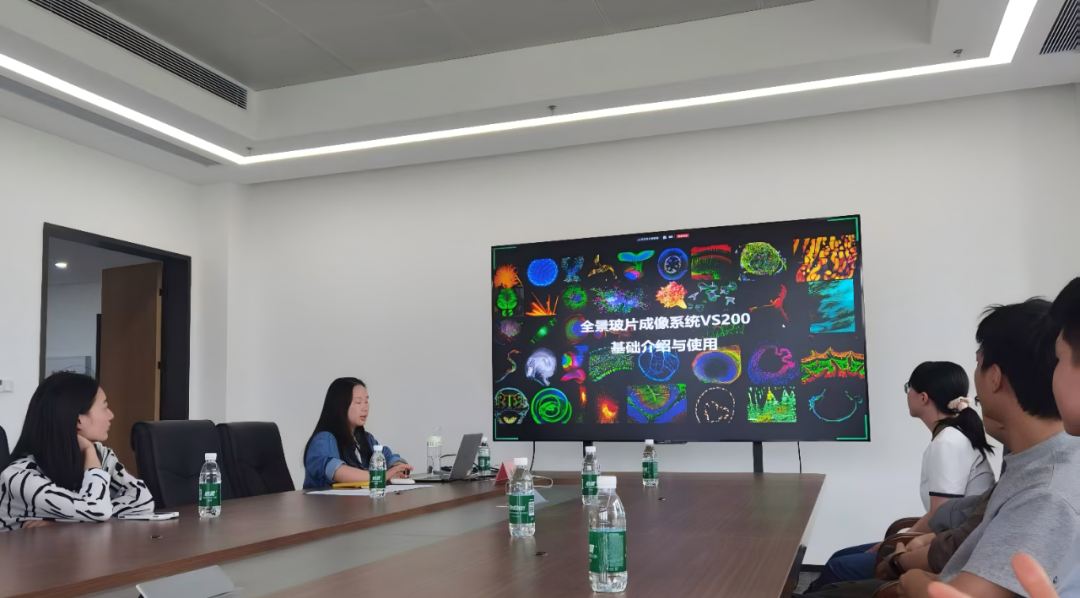
▶ Whole-slide scanning and neurodigital pathology imaging
Zhao Wenxia introduced the VS200 panoramic slide imaging system, which can support multi-mode imaging such as bright field and fluorescence. The objective lens covers 2× to 100× oil immersions. It can complete four-color fluorescence whole-brain slice image acquisition in 15 seconds and can analyze subcellular fine structures such as neuron dendritic spines. The report compares the applicable scenarios of frozen, paraffin, and vibrating sections, and introduces the LUMINIRIS® Cyclic-mTSA ultra-multi-index spatial proteomics platform to provide solutions for high-throughput digital pathology research.
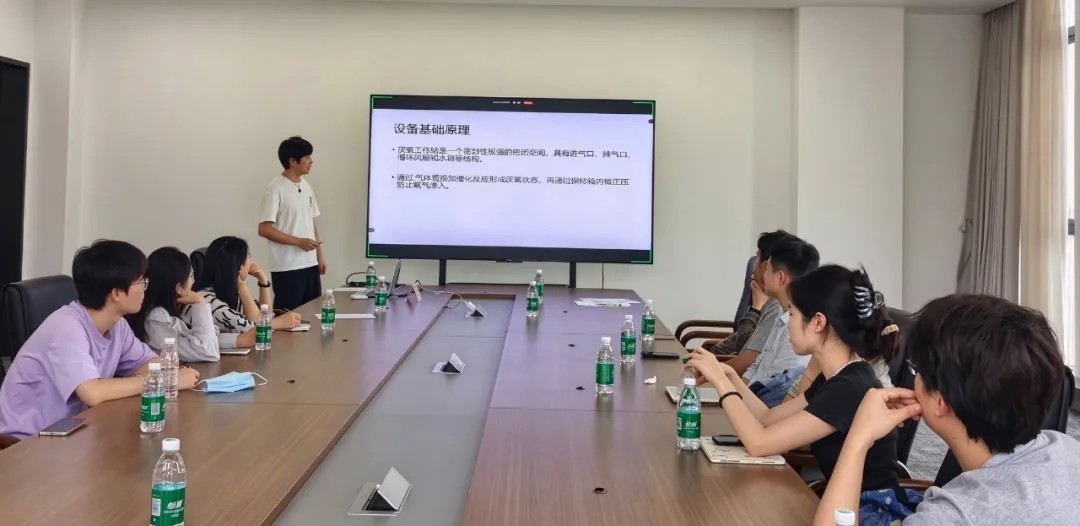
▶ Image-based single cell sorting and deep culture of anaerobic microorganisms
Liu Tianxing shared the Cytena image-based label-free single cell separation system, which relies on microfluidic and piezoelectric technology to achieve precise microbial single cell separation. The monoclonal efficiency exceeds 95%. The disposable chip eliminates cross-contamination and is suitable for anaerobic system research. This technology significantly shortens the cultivation cycle of intestinal anaerobic bacteria, improves the pure culture rate of microorganisms, assists in the mining of difficult-to-cultivate microbial resources, and has successfully obtained many new intestinal bacterial species.
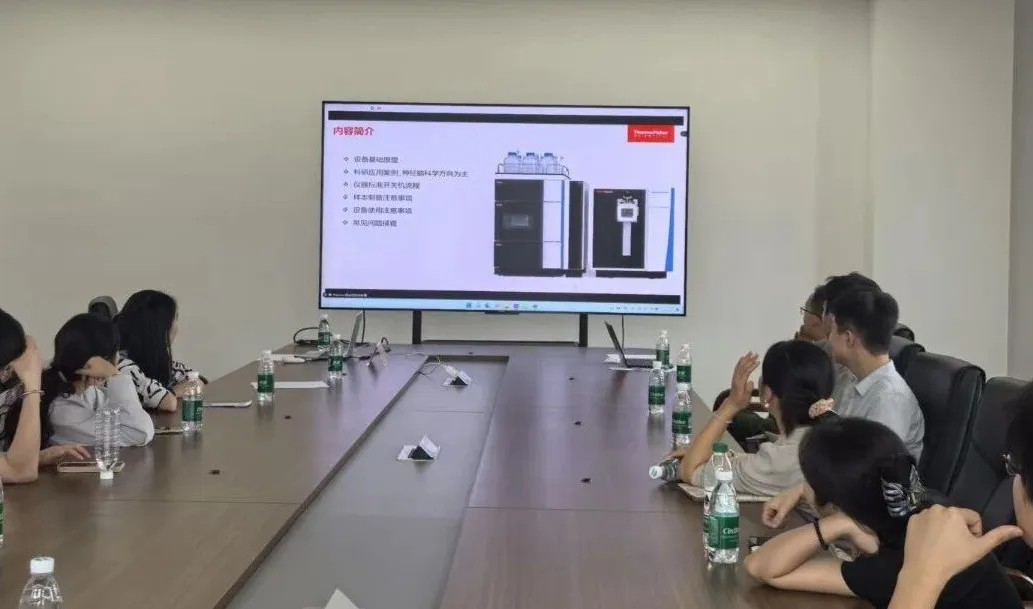
▶ Frontier progress in high-throughput mass spectrometry technology
Bi Qingjun explained in detail online the core performance of the Orbitrap Exploris480 high-resolution mass spectrometry platform, with ultra-high field resolution up to 480,000 and a scan rate of 40Hz. This platform has outstanding performance in brain tissue proteome and Alzheimer's disease metabolome research. It can identify more than 9,200 brain tissue proteins in a single injection, and can analyze pathological changes in neurological diseases from the protein and metabolite levels.
Salon 2: Application frontiers of genetically modified animal models and long-read sequencing
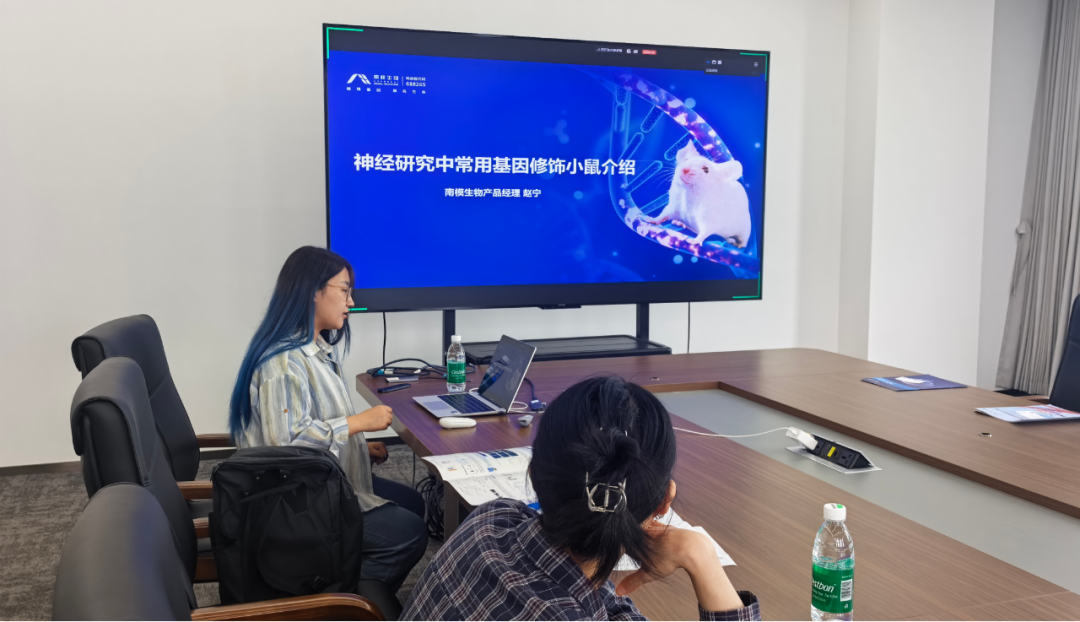
▶ Genetically Modified Mouse Models in Neuroscience Research
Zhao Ning systematically explained the three mouse model construction strategies of gene knockout, transgene, and gene knock-in, covering systemic/conditional knockout, point mutation, humanized transformation, etc. Combining the cases of Grin2a and Lrrk2 mutant mice, this article introduces the application of Cre/Dre tool mice in lineage tracing, sorts out the classic animal models of Alzheimer's disease and Parkinson's disease, and provides practical reference for model selection for neurological disease research.
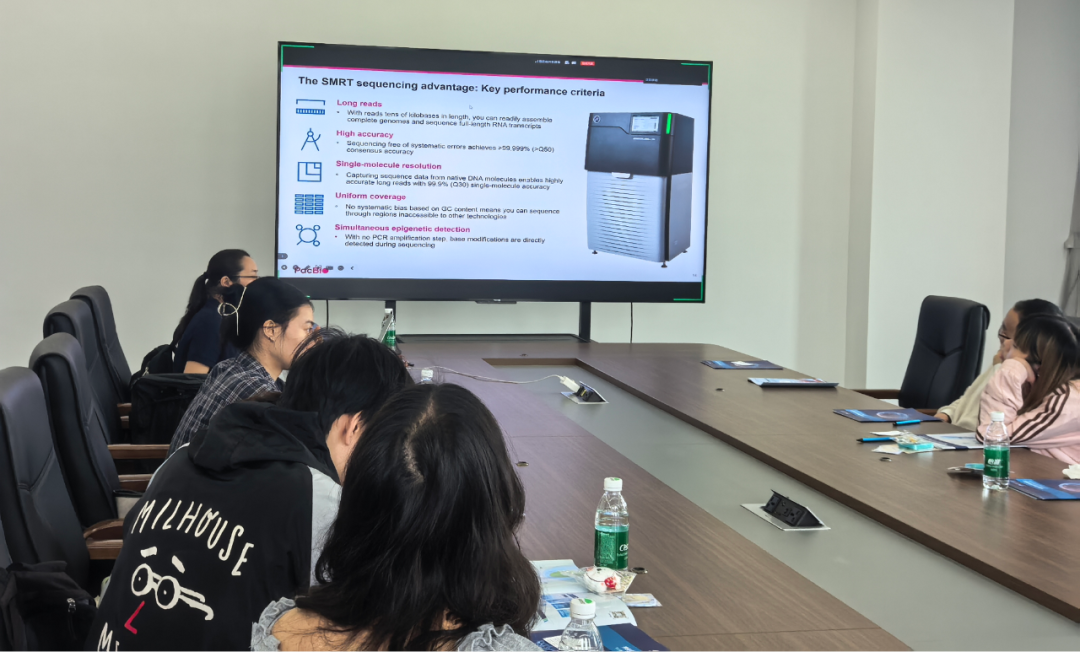
▶ Long-read sequencing principles and cutting-edge applications
Tan Shuguang explains PacBio SMRT single molecule real-time sequencing technology. HiFi reads have both long read length and high accuracy, no GC bias, can directly detect base modifications, support complete genome assembly, and greatly improve the ability to detect disease-related structural variants. ; Iso-Seq full-length transcript technology provides high-resolution research methods for alternative splicing, haplotyping, and epigenetic research.
This issue The series of academic salons further broadens the horizons of scientific researchers on cutting-edge technologies in life sciences, promotes the integration of multi-omics technologies and interdisciplinary exchanges, helps laboratory research groups and technology platforms deepen collaborative innovation, and empowers the translation of basic research into clinical practice.


Number
023-68059937
Email:Jinfeng@jflab.ac.cn
Address:
No.313, Bella Road Chongqing High-tech Zone
Postal code: 401329

 渝公网安备50009802002274