
Lecture time
October 21 (Wednesday) 10:00-12:00Lecture location
Conference Room 302, Building 1, Jinfeng Laboratory
Lecture Topic 1: Research on the Resistance Mechanism of Immunotherapy in Lung Cancer
Introduction to the speaker
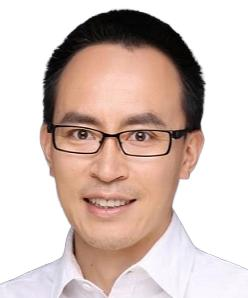
Chen Chong , professor and doctoral supervisor at the National Key Laboratory of Biotherapy, West China Hospital of Sichuan University. He received his bachelor's degree from Peking University in 1999 and his doctorate from the University of Michigan in 2009. Focus on studying the mechanisms of malignant tumor evolution, especially epigenetic and lineage plasticity mechanisms in metastasis and drug resistance. 。
Lecture Introduction
Cancer treatment has entered the era of immunotherapy, but primary and acquired drug resistance greatly restrict the long-term clinical benefit of patients. The team identified blood-brain barrier-like vascular gating (BVG) in small cell lung cancer (SCLC) and other neuroendocrine tumors, confirming that it is induced by tumor cells through the ASCL1–IGFBP5–IGF1R axis and is an important mechanism for SCLC to form an immune desert phenotype. ; IGF1R inhibitors targeting BVG can promote immune cell infiltration and have synergistic effects with immune checkpoint blockade. At the same time, studies have found that immunotherapy can induce non-small cell lung cancer cells to highly express extracellular matrix proteins, of which Collagen 3A1 surrounds tumor cell clusters and Collagen 6A1 surrounds single tumor cells, respectively forming physical barriers that hinder T cell infiltration and killing. In summary, this type of physical and molecular barriers is the core cause of immunotherapy resistance and also provides a new therapeutic target for immunotherapy resistance.
Lecture Topic 2: Accelerate your journey of exploration with the help of "Xunzi"
Introduction to the speaker
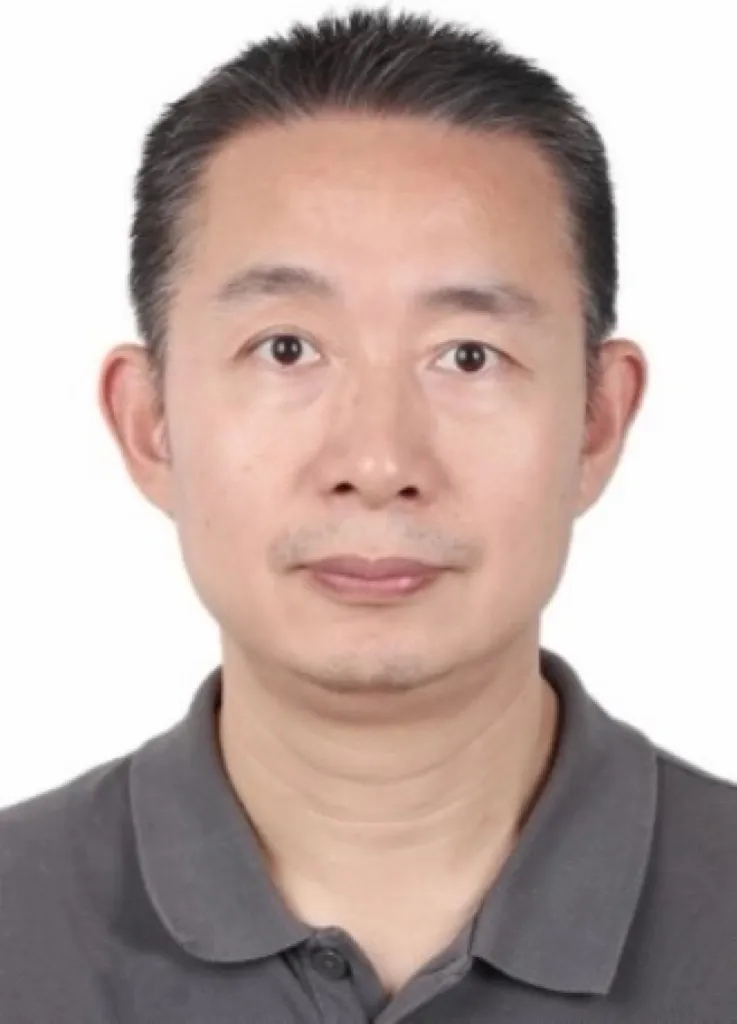
Jia Da , professor and doctoral supervisor at West China Second Hospital of Sichuan University, State Key Laboratory of Biotherapy, and deputy director of the Research Institute of West China Second Hospital. National Distinguished Young Scholars, national overseas high-level young talents. He mainly studies the dynamic regulation of organelles, vesicle transport, the pathogenic mechanisms of related neurological and metabolic diseases, and develops treatments.
speak seat slip between
This report is titled "Accelerate your exploration journey with 'Xunzi'" and introduces XunZi (Xunzi), an AI biologist who integrates biomedical logical reasoning and multi-modal data analysis. Aiming at scientific research pain points such as fragmented biomedical knowledge, high complexity of omics data, and difficulty in mechanism interpretation, XunZi integrates two complementary functional modules: XunZi-R relies on large language models to complete biomedical mechanism reasoning, and XunZi-M uses graph convolution networks to integrate multi-omics data and biological networks. The dual modules collaboratively screen candidate disease regulators and generate mechanism hypotheses that can be experimentally verified. The report will combine the research cases of non-small cell lung cancer and Parkinson's disease to show the complete research link from XunZi's assisted discovery of potential targets to the team's cell and animal experimental verification, and explore the application prospects of artificial intelligence empowering original biomedical discoveries.
Lecture topic three: Mass Cytometry and Tissue Imaging Mass Cytometry - From Single Cell Analysis to Tissue Space Insights
Introduction to the speaker
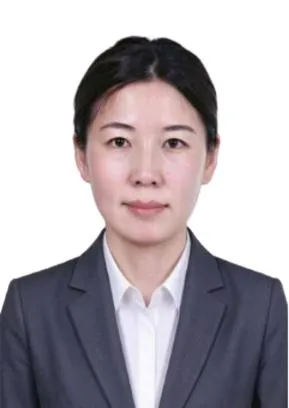
Niu Hui , Standard BioTools China field application expert, focuses on technical support, user training and project implementation of mass spectrometry flow cytometry and tissue imaging mass spectrometry flow cytometry. He is familiar with research plan design, antibody panel design, sample preparation, instrument detection and data analysis processes, and can provide targeted technical solutions according to different research needs.
speak seat slip between
Traditional fluorescence flow cytometry and imaging have bottlenecks such as limited channel number, spectral overlap, insufficient sensitivity, easy missed detection of rare subpopulations, large sample consumption, and tissue autofluorescence interference.; Mass spectrometry flow cytometry (CyTOF) uses metal isotope-labeled antibodies with low background and channel interference. A single tube can detect 50+ proteins at the same time. It is suitable for single cell research such as stem cells, organoids, and cell therapy. ; Tissue imaging mass cytometry (IMC) can complete 40+ protein imaging in a single slice while retaining the in situ structure of the tissue, avoiding autofluorescence interference, and analyzing cell spatial phenotypes and interactions. ; CyTOF combined with IMC can integrate single cell functional information and tissue spatial information to achieve integrated research from cell phenotype analysis, immune monitoring to in-situ microenvironment verification, providing multi-dimensional research evidence for exploring cell heterogeneity, drug response, cell therapy tissue infiltration and spatial immune mechanisms.
Everyone is welcome to actively participate


Number
023-68059937
Email:Jinfeng@jflab.ac.cn
Address:
No.313, Bella Road Chongqing High-tech Zone
Postal code: 401329

 渝公网安备50009802002274