
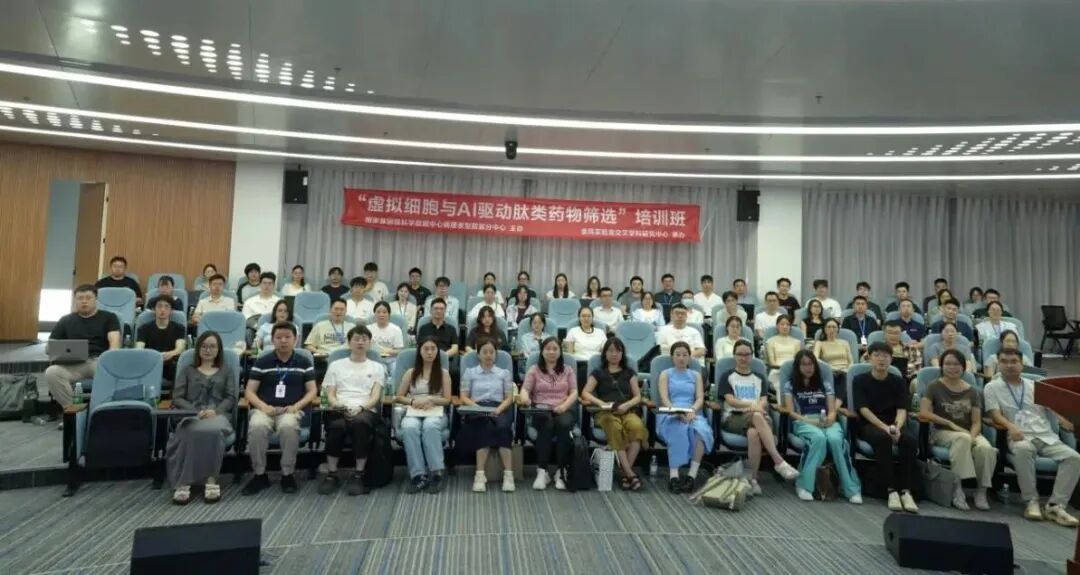
July 30-31, 2026 Sponsored by the Pathological Phenotype Data Branch of the National Genome Science Data Center and undertaken by the Interdisciplinary Research Center of Jinfeng Laboratory Artificial Intelligence Empowering Biomedical Big Data Analysis and Mining Training Course (First Issue) A happy ending. This training is based on“ Virtual cells and AI-driven peptide drug screening ”As the theme, it focuses on the four core contents of "data resources-modeling development-intelligent screening-platform application". Attracting more than 20 people from institutions outside the city, including Beijing University of Aeronautics and Astronautics, University of Defense Technology, West China Hospital of Sichuan University, Sichuan Provincial People's Hospital, and the First Affiliated Hospital of Tianjin University of Traditional Chinese Medicine, and more than 60 people from universities and hospitals in Chongqing. ,common More than 90 scientific researchers and graduate students participated.
(Swipe to view pictures)
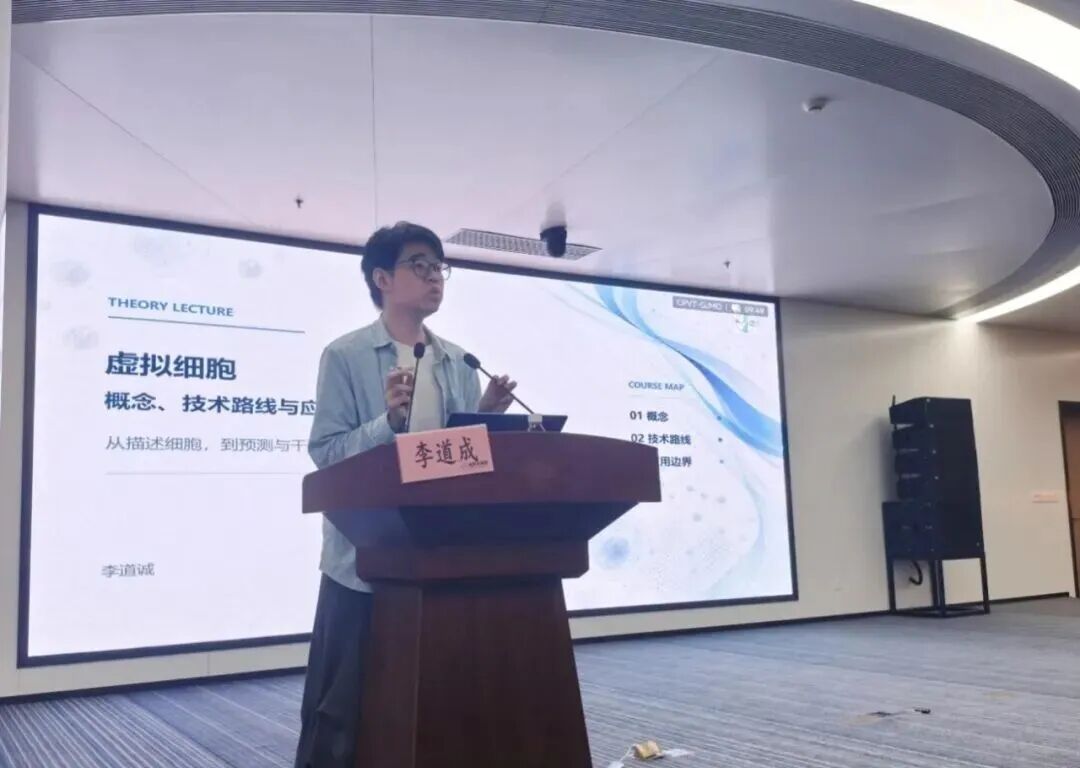
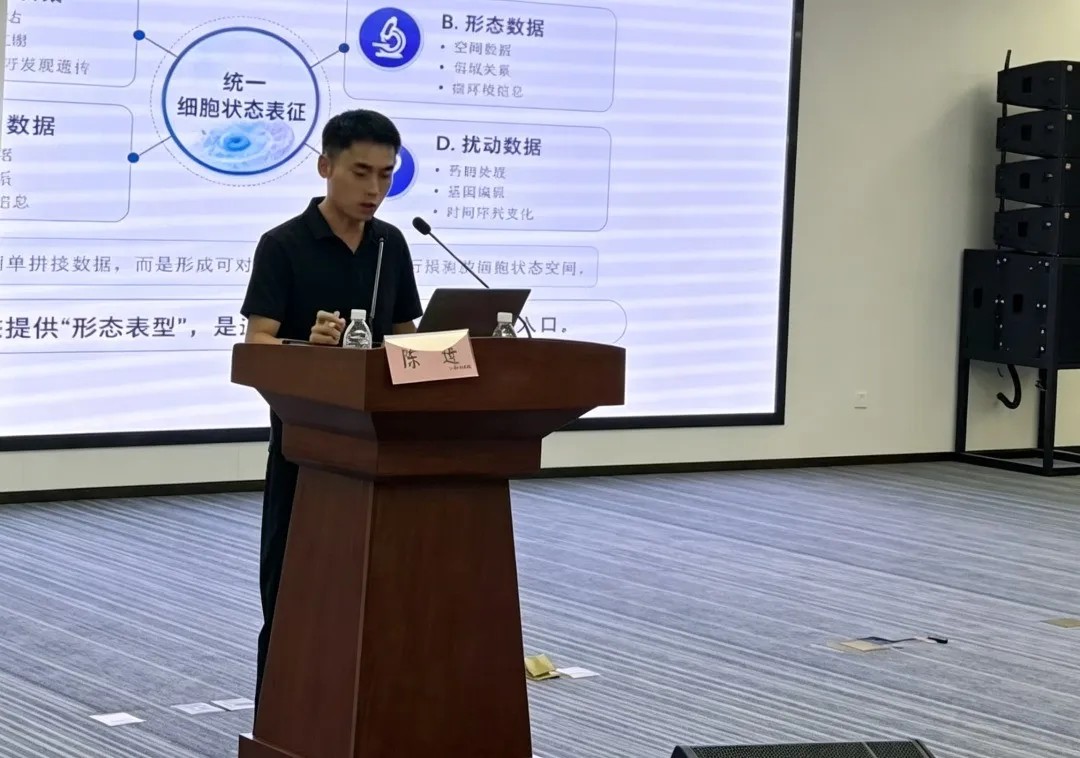
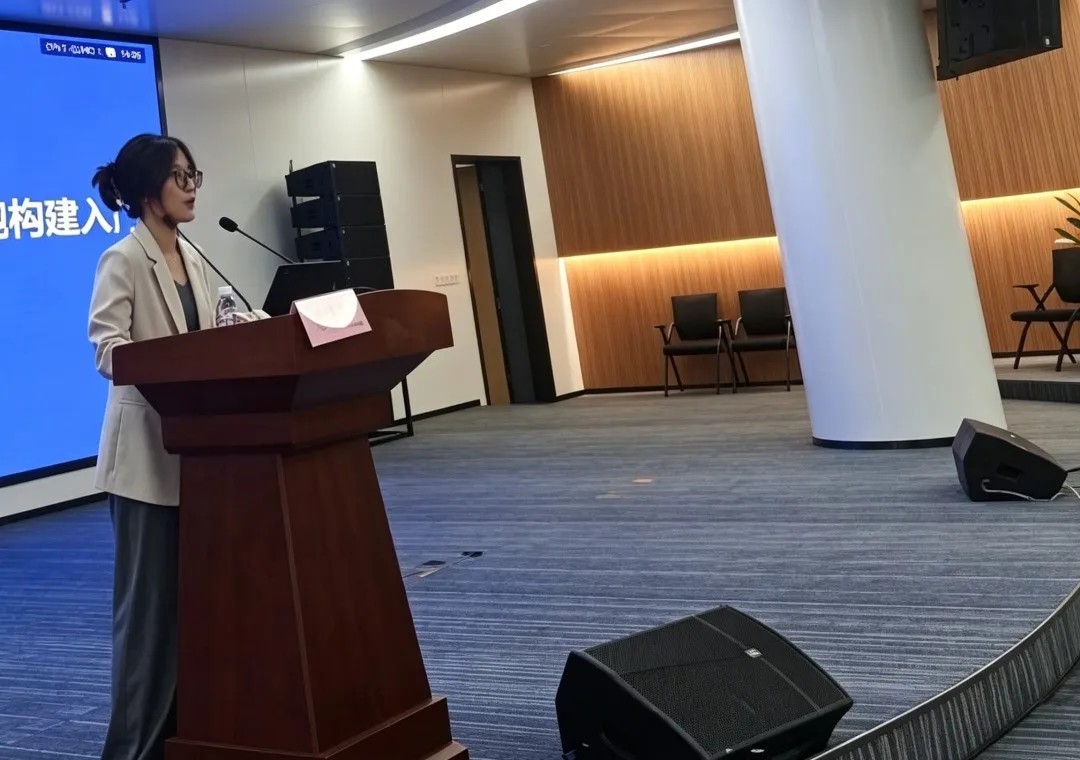
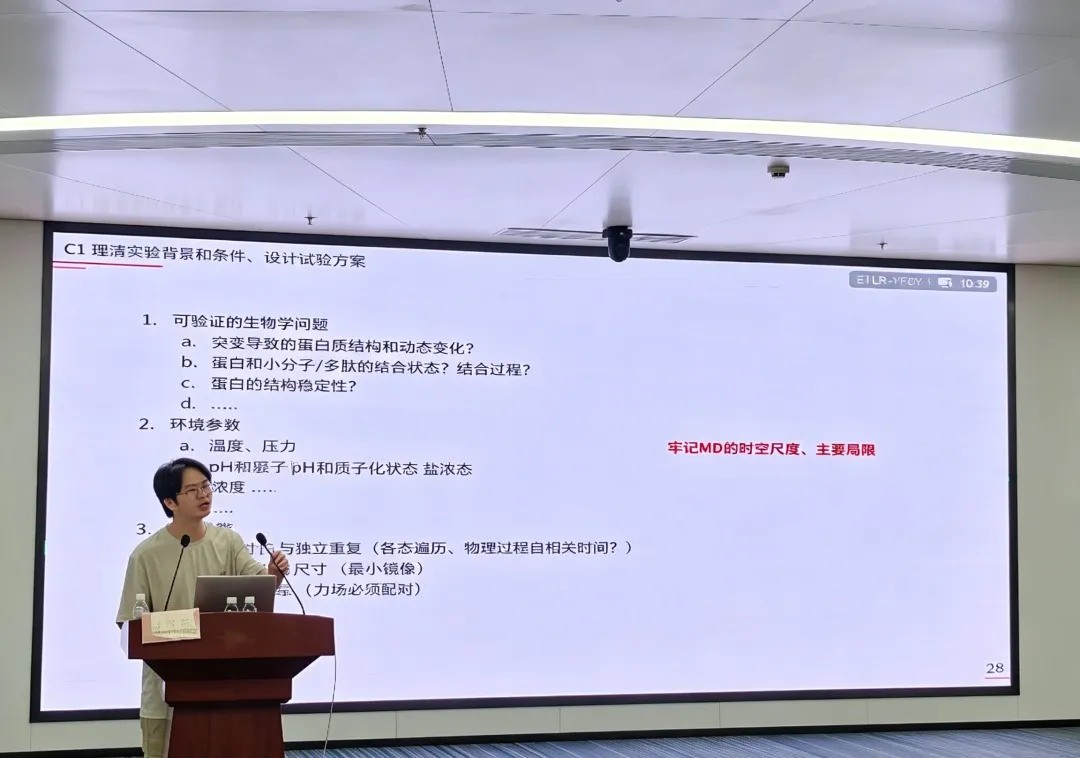
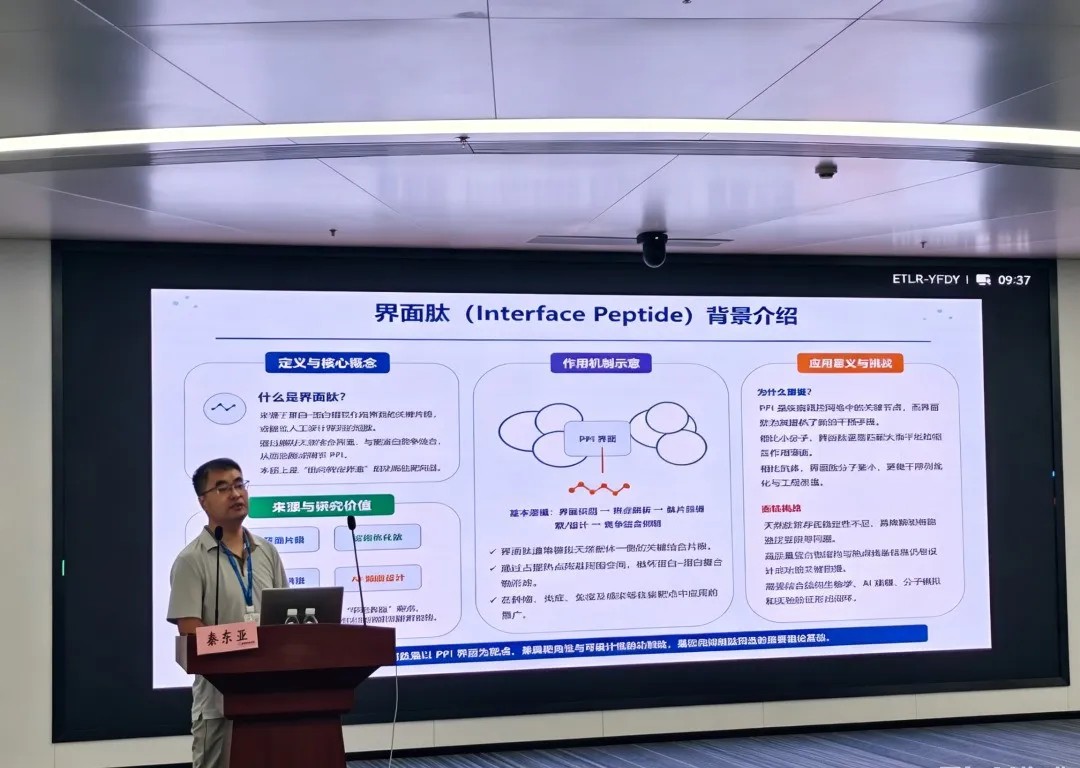
This training has five core courses, covering the entire chain of theoretical foundation, technical practice, and practical application. laboratory Dr. Li Daocheng shared his experience around the concept, technical route and application boundaries of virtual cells, Associate Researcher Chen Jin focused on cell data standardization and intelligent representation algorithm exchange practices, Associate Researcher Liang Xiaoyu explained the practical experience of virtual cell construction based on Python, Assistant Researcher Han Yinlei shared biomolecular dynamics simulation modeling and analysis skills, and Associate Researcher Qin Dongya exchanged practical experience in therapeutic peptide modeling, high-throughput screening and targeted design 。
The training focuses on the intersection of computational algorithms and drug design, systematically builds a knowledge system integrating AI and biomedicine, effectively breaks down disciplinary barriers, and builds a high-quality communication platform for industry-university-research collaboration and joint project research. Next, the laboratory will Open up cross-unit and cross-disciplinary collaboration channels, Build an exclusive communication community to regularly push cutting-edge materials and answer questions online; Build a hierarchical and progressive teaching system, Optimize based on student feedback course, Preparing for the second phase of advanced training; Promote the transformation of scientific research results, track outstanding research cases, promote joint projects, joint research results and platform construction, and accelerate the implementation of AI drug research and development.
This training provides new research ideas for smart drug research and development and promotes data-driven innovative research in life sciences. Jinfeng Laboratory will continue to build a high-level academic exchange platform and welcomes colleagues from all walks of life to pay attention to follow-up activities.


Number
023-68059937
Email:Jinfeng@jflab.ac.cn
Address:
No.313, Bella Road Chongqing High-tech Zone
Postal code: 401329

 渝公网安备50009802002274